How I Made My First $1,000 from Video Games
At 15, I sold $800 of virtual currency to a stranger on the internet ("RMT"). My hands were shaking. That single trade changed the next 15 years of my life.
The $800 That Changed Everything
I had been playing Guild Wars for years. Thousands of hours. Farming, trading in Kamadan, flipping items — the usual. At some point, I had accumulated thirty stacks of in-game currency. My entire fortune from years of grinding.
Then someone offered me real money for it. $800, via PayPal.
I was 15, broke, sitting in my room. I had never used PayPal before. I had to create an account just for this trade. My hands were genuinely shaking when I clicked "confirm."

The money came through. I stared at the screen for a while.
A few weeks later, I found out the buyer resold my gold for double the price. At first, I was annoyed. Then it clicked: this wasn't just a one-off sale. There was a whole value chain behind it — sourcing, reselling, distribution. And I was sitting at the bottom of it.
That trade didn't just give me $800. It showed me that video games could be a real business — not a fantasy, not a scam, an actual business with margins and customers.
What Video Games Actually Taught Me
People love to say video games are a waste of time. I disagree. After 20,000+ hours of gaming, here's what I walked away with:
English. I'm French. Many things I know in English, I learned from games, guilds, and trading with international players. Not school.
Trading instincts. Years of Kamadan and the Trading Post taught me supply and demand better than any economics class. When to buy, when to hold, when to sell — with real consequences if you got it wrong.
Social skills and trust-building. Running guilds, managing teams, resolving disputes. You learn fast that reputation is everything when money is on the line.
I didn't plan any of this. I wasn't trying to "become an entrepreneur." I was just a gamer who kept following the money trail inside the game. The skills came along for the ride.
Many gamers already have the skills to build a real side business: patience, market awareness, risk assessment, hustle. They just don't realize it yet — because nobody told them these skills transfer to real money.
From Player to Seller
After that first trade, I wanted more. But I didn't jump into selling gold right away. Instead, I stumbled into something safer: game keys.
It started for personal use. I was hunting for cheaper copies of games I wanted to play. Then friends started asking me to buy for them. Then friends of friends. Before I knew it, I had a small reselling operation that would run for 13 years.

The sourcing game
The real skill wasn't selling — anyone can post an offer. The real skill was finding supply that nobody else had.
Retail clearance
French retailer Fnac once dumped entire shelves of boxed games for €0.44 each. I bought every single one. Some people in the community found them for €0.01.
Marketplace arbitrage
Amazon, eBay, LeBonCoin — small sellers constantly underpriced copies. I regularly picked up 20-30 keys at €1-2 each and resold them at market rate.
Online key stores
Specialized resellers sometimes had pricing errors or regional deals. Patience and monitoring paid off consistently.

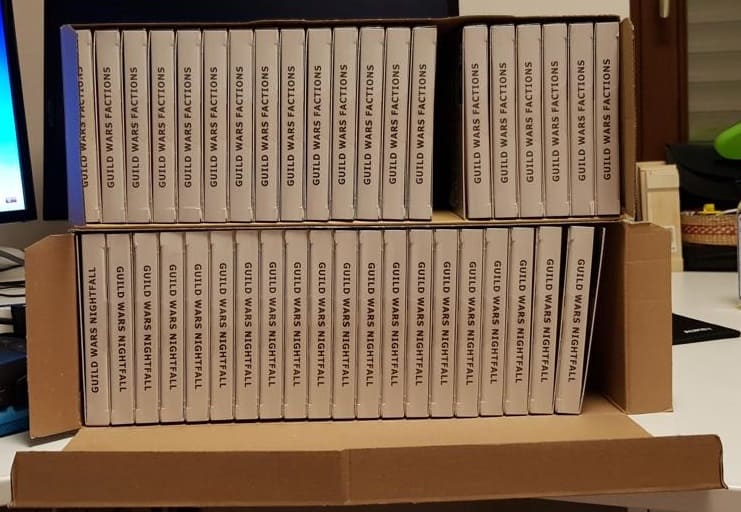
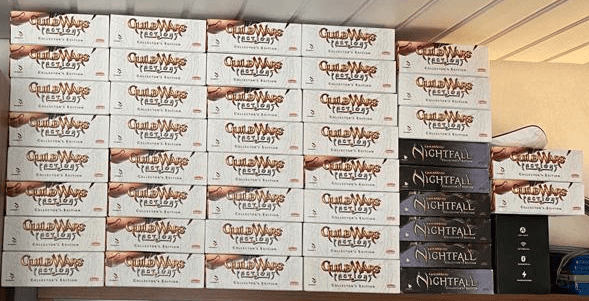
Over the years, I moved through roughly 8,000+ regular game keys and 100+ Collector's Editions. The margins weren't always huge, but the business was safe, legal, and it compounded. Customers came back. Reputation grew. Revenue became predictable.

What I'd Tell My 15-Year-Old Self
Looking back at 15 years of doing this, a few things stand out.
Reputation compounds faster than revenue. Every happy customer becomes a returning customer. Every returning customer brings referrals. The sellers who obsess over short-term margin and ignore trust never build anything lasting.
Distribution beats production. Most sellers in this space spend all their energy on supply — farming, botting, sourcing. They neglect the other side: building a real storefront, earning reviews, turning buyers into regulars. I made the same mistake for years before I understood this.
Treat it like a business, not a hustle. Declare your income. Build systems. Track your numbers. The moment I started treating RMT as a real business — proper accounting, proper structure — everything got easier. It even helped me get a bank loan for real estate.
That first $800 could have gone very wrong. Instead, it funded 15 years of adventures, paid for trips across Asia, and became my full-time job for 3 years. Not bad for pixels.
❓ Curious how I turned this into a full-time income? See what I'm building now →
But I also made a mistake that cost me years. I got trapped in something that looked like passive income but wasn't. I'll tell you about it in Part 2.
P.S. If you want to learn the exact methods I used to source 8,000+ game keys at up to 70% off, I put everything in Cheap CDK™.